








- 초월급 천재 소환사로 귀환했다 10권
<우림> 저 | 고렘팩토리
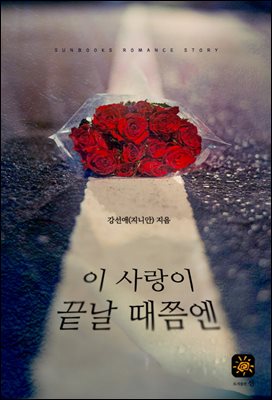
- 이 사랑이 끝날 때쯤엔
<강선애(지니안)> 저 | 도서출판 선

- 귀환한 마신은 만렙 플레이어 10권
<소해현> 저 | 고렘팩토리


 성공하려는 자의 20계명 채근담 (한영)
김정오 | 팅클라기산

- 2012-05-04

- ePub

- 2 M


- 보유2, 대출0, 예약중0



지금 어떤 사람과 갈등을 겪고 있는 중이라면, 이런 말을 새겨 보면 마음이 편해 질 수 있다. “그를 용서하라, 그러나 나 자신은 결코 용서하지 말라.” <채근담 1:168> 그리고 그 갈등을 거슬러 올라가 보면 이런 점이 없지 않은 가 확인 해 보자. “남에게 베풀었다면 보답을 바라지 마라. 보답을 바란다면, 베풀었던 마음과 모든 것이 잘 못된 것이다.”<채근담 1: 089> 또, 이런 점도 생각해 보자. “사람이 받은 은혜는 그 받은 것이 깊어도 갚지 않으며, 원한은 지극히 얕아도 갚으려 한다.”<채근담 1:194> 그래서 이렇게 마음 정리하여 부담감에서 해방 되도록 하자. “다른 사람이 나의 은혜를 기억하기보다는 차라리 은혜와 원한을 모두 잊게 하는 편이 낫다.”<채근담 1:108> 그리고 이런 말도 명심하여 앞으로의 생활에 참고하자. “은혜와 원한을 지나치게 밝히지 마라. 헤어져 떠나갈 마음을 품게 된다.” <채근담 1:136> “고마워해야 할 사랑은 참사랑이 아니다.”<채근담 1:133> “시기와 질투는 가족사이가 더 하다. <채근담 1:135> 채근담(菜根譚)은 지금부터 400년 전에 중국 명나라 말기의 홍응명(洪應明) (활동기 1572-1620년) [자: 자성(自誠), 호: 환초도인(還初道人)]의 어록집(語錄集)이다. 책 이름의 채근(菜根)이란, 기근이 들었을 때 먹을 것이 없어 굶어 죽을 공포 속에서 산이나 들에서 캐 먹는 풀뿌리의 뜻으로, 중국 송(宋)나라 때 왕신민의 소학 (小學)의 구절 “嚼得菜根, 百事可做” (사람이 채근을 씹었다면 <어려 운 때를 겪었다면>, 백가지 일을 이룰 수 있다) 에서 따온 말이다 채근담(菜根譚)은 동양적인 인간학에 관한 어록(語錄)이며, 유가적(儒家的)인 중용(中庸)사상과 도가적(道家的)인 무위 (無爲) 사상과 불교적(佛敎的)인 무상무아 (無常無我) 사상이 들어있다. 채근담은 전집(前集)1:225절 후집 (後集) 2:135절 합하여 총 360절로 되어 있으며, “20계명 채근담”은360절 중에서 20절을 발췌하여 정리한 것이다(한글 및 영어). 채근담은 자기계발과 처세의 세상 살아가는 진리에 대하여 우리에게 “깔끔한 깨달음”을 가르쳐 준다. The Caigentan (菜根譚) (Talks Vegetable Roots) is text written by the scholar and philosopher Hong EungMyeong (洪鷹明) (floruit 1572-1620) who lived during the end of the Ming Dynasty, China. His courtesy name (字) was JaSeong (自誠) and his pseudonym (號) was Hwanchodoin (Meaning: Daoist Adept who returns to the Origin) Hong EungMyeong wrote the Caigentan (菜根譚) “Talks Vegetable Roots) circa 1590 and it is an eclectic compilation of philosophical aphorisms that combine elements from Confusianism, Daoism and Buddism. The name of the Caigentan (菜根譚) [Talks Vegetable Roots (菜根) ] to designate his discourse has its origin in his purifying experience of poverty, because the Vegetable Roots(菜根) is not an appropriate food. One can imagine that the author had been experienced by the severities of life and had endured several hard times. " So, the Vegetable Roots means the poverty even though it was originating in "Minor Learning(小學)" written by Wang SinMin, as known “嚼得菜根, 百事可做”literally means "One who had chewed vegetable roots for lack of anything better to eat can accomplish anything", ………… "One who has gone through hardships can do anything".

저자는 젊은 시절, 1970년초 부산 어느 책방에서 우연히 발견한 채근담을 보기 시작하면서 이책에 심취하게 되었다. 특히 채근담에서 가슴에 와 닿은 것은 가족 관계에 대한 가르침이 었는데 그 가족을 대함을 사랑으로 할 것을 요구하고 있어 400년전의 홍응명의 가족애를 느끼게 한 점이 감동적이었다. “온화한 얼굴과 부드러운 말씨로 가족을 대하라 “ <채근담 1:021> “가족에게 잘못이 있으면 크게 화내지 말고 가볍게 넘기지도 말라. 잘못을 깨우쳐주기 어럽다면 비유로서 깨닫게하고 오늘 깨닫지 못하면 내일을 기다려 다시 깨닫게 하라. 봄바람이 언 땅을 녹이고 온기가 얼음짱을 녹이듯 하라. 이것이 가정을 다스리는 규범이다. “<채근담 1:096> 이 얼마나 부드럽고도 마땅한 이야기인가 “ 고마워해야할 사랑은 참 사랑이 아니다.” 부모가 자식을 사랑하고 자식이 부모에게 효도하며 형제간에 아끼고 서로 돕는 마음이 지극하여도 그것은 당연한 일일뿐 감격할 일이 아니다. 베푸는 이가 그것을 덕으로 여기고 받는 사람 또한 은혜로 여긴다면 그것은 곧 모르는 사람끼리의 일이되어 장삿군의 거래와 다를 바가 없게된다.” <채근담 1:133> 자식을 사랑한다든가 부모에게 효도한다는 것을 당연한 일인데 왜 이런 말을 했을까? 아마도 그 시대에도 부모에게 효도하지 않은 사람도 많았고, 자식을 지극히 사랑하지 않는 부모가 많이 있었나 보다. 20계명채근담: 저자 김정오 1946년생, 경기중고교, 서울대 졸 현재 동화경연구소장 중요 저서: 2010년: 오늘의 행운 (오늘의 주역 운세) 2012년: 365일 채근담

20계명 채근담 1. 은총과 이익에는 남 앞에 서지 말고 덕행과 사업은 남 뒤에 서지마라. 2. 남에게 베풀었을 때 감격하기를 바라지 마라 3. 나아가기 어려운 곳에서는, 한걸음 물러설 줄도 알아야 한다. 4. 아랫사람을 엄하게 대하기가 어려운 것이 아니라 미워하지 않기가 더 어렵다. 5. 열마디중 아홉이 맞아도 칭찬하지 않지만, 한마디가 맞지 않으면 비난의 목소리가 사방에 넘친다. 6. 남에게 베풀었다면 보답을 바라지 마라. 보답을 바란다면, 베풀었던 마음과 모든 것이 잘못된 것이다. 7. 다른사람이 나의 은혜를 기억하기 보다는, 차라리 은혜와 원한을 모두 잊게하는 편이 낫다. 8. 새로운 친구를 사귀는 것보다 옛 친구와의 정을 두텁게 하라. 9. 한끼의 밥으로 평생 은혜를 만들 수 있으며, 지나친 사랑으로 원한을 만들 수 있다. 10. 고마워 해야할 사랑은 참사랑이 아니다. 11. 시기와 질투는 가족사이가 더 심하다. 12. 은혜와 원한을 지나치게 밝히지 마라. 헤어져 떠나갈 마음을 품게 된다. 13. 생각나자마자 시작한 일은 시작하자마자 멈추게 된다. 14. 그를 용서하라. 그러나 결코 나자신은 용서하지 말라. 15. 은혜를 베풀 때 먼저 크게하고 나중에 작게하면 사람들은 은혜를 잊어 버린다. 16. 참고 견디는 것이 유일한 해결 방법일 때도 있다. 17. 사람이 받은 은혜는 그 받은 것이 깊어도 갚지 않으며 원한은 지극히 얕아도 갚으려 한다. 18. 인정과 세태는 변하는 것이므로 지나치게 참된 것으로 알지말라. 19. 물고기는 물속에서 헤엄을 치지만 물을 잊고 살며, 새는 바람을 타고 날지만 바람이 있음을 모른다. 20. 분수에 맞지않는 복과 까닭없는 이득은 조물주의 낚시 미끼가 아니면 다른 사람이 파놓은 함정이다. Caigentan 20 Aphorisms 1. Don’t be ahead to receive the benefits, and don’t be behind to give the virtues. 2. Don’t expect his deep affection when you gave him your benefits. 3. One step back could be a good solution. 4. For junior, it’s more difficult not to hate him than to be severe . 5. Even if his sayings are correct 90%, no one admire that. But for incorrect 10%, all criticize him. 6. Never expect the compensation for your favor. 7. It is better let him to forget all the favor and grudge for me, than to remember my favor only. 8. To deepen more the friendship with the old friend is better than to make a new friend. 9. To serve only one meal could be a good giving of affection to be remembered in his life. 10. The love to be grateful is not real love. 11. Jealousy and envy is deeper between the members of the family. 12. Don’t remind the givings and hates too clearly. If so, he will think to leave you. 13. The project started momentarily, could be stopped at the starting period. 14. Forgive him. But never forgive yourself. 15. When you give your benefits, you shall do ‘first small’ and ‘next large’. Otherwise, you could be forgotten. 16. To endure could be the only solution. 17. Peoples do not reward for the received benefits though it is big, where they will get back their grudge very small. 18. Do not believe the man’s affection and conditions will last forever, which are changing as the time lapse. 19. The fishes do not know the existence of the water, though they swim in the water. 20. The fortune more than your bound, will be the God’s bait or the trap of the swindler.

청운대학교 도서관 ㅣ 전화 : 041-630-3124 ㅣ FAX : 041-634-8181
CopyRight C 2010 Yes24. All rights Reserved.